Manténgase al día con las últimas tendencias, consejos de carrera y guías de estudio.
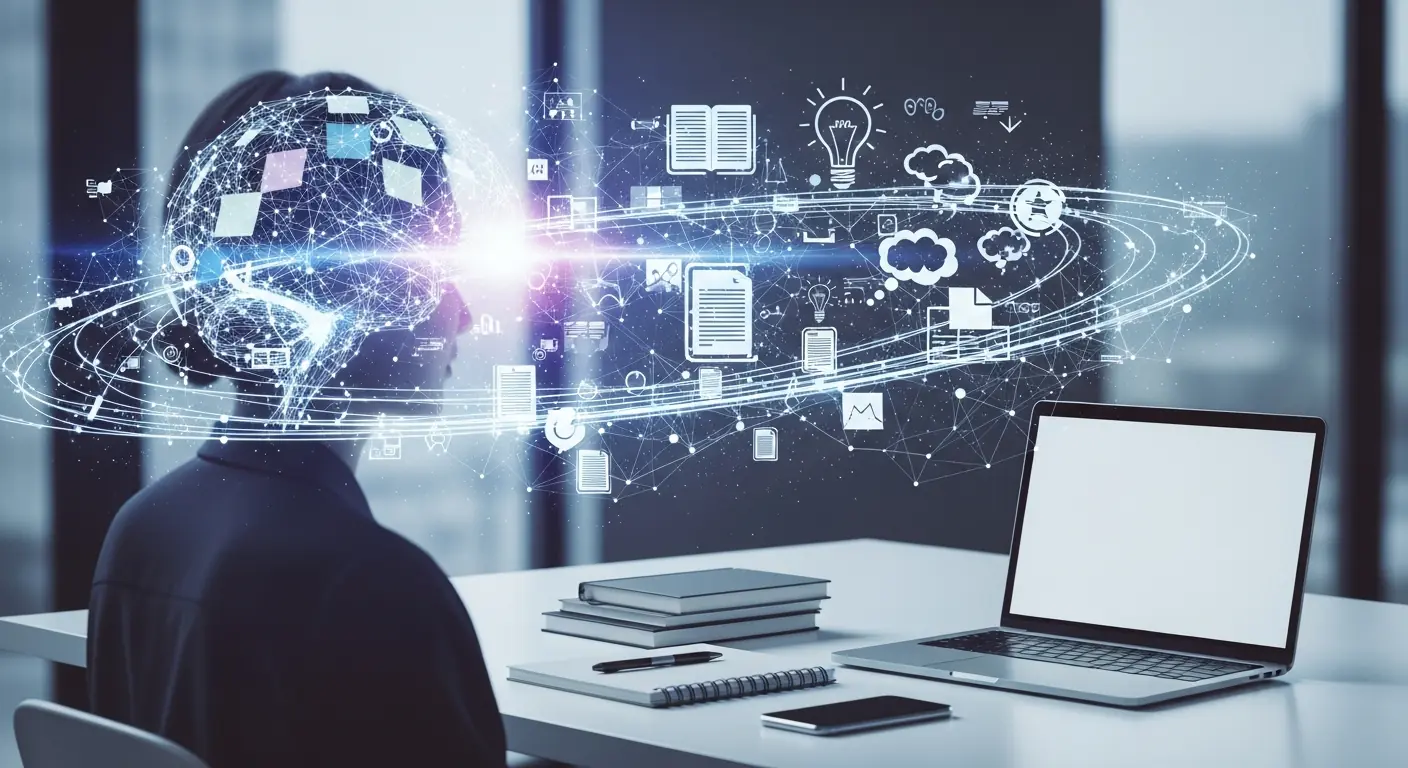
Do you know the feeling? You read a brilliant article for your thesis, have a flash of inspiration in the shower, or hear a podcast with a groundbreaking idea. You think: "I need to remember this!" Three days later, you sit in front of an empty Word document. The article is untraceable, the inspiration gone.
The laptop hums. The green light of the webcam stares at you like a digital eye. Foreign software scans your eye movements, and somewhere in the background, a person in Arizona or Mumbai might be monitoring your every click. Welcome to the reality of modern online exams.
It is the best-kept secret of modern online education: The brochures talk about "maximum flexibility," "location independence," and "efficiency." But hardly anyone talks about the silence that sets in when the Zoom call ends. For many distance learning students, social isolation is one of the biggest hurdles.
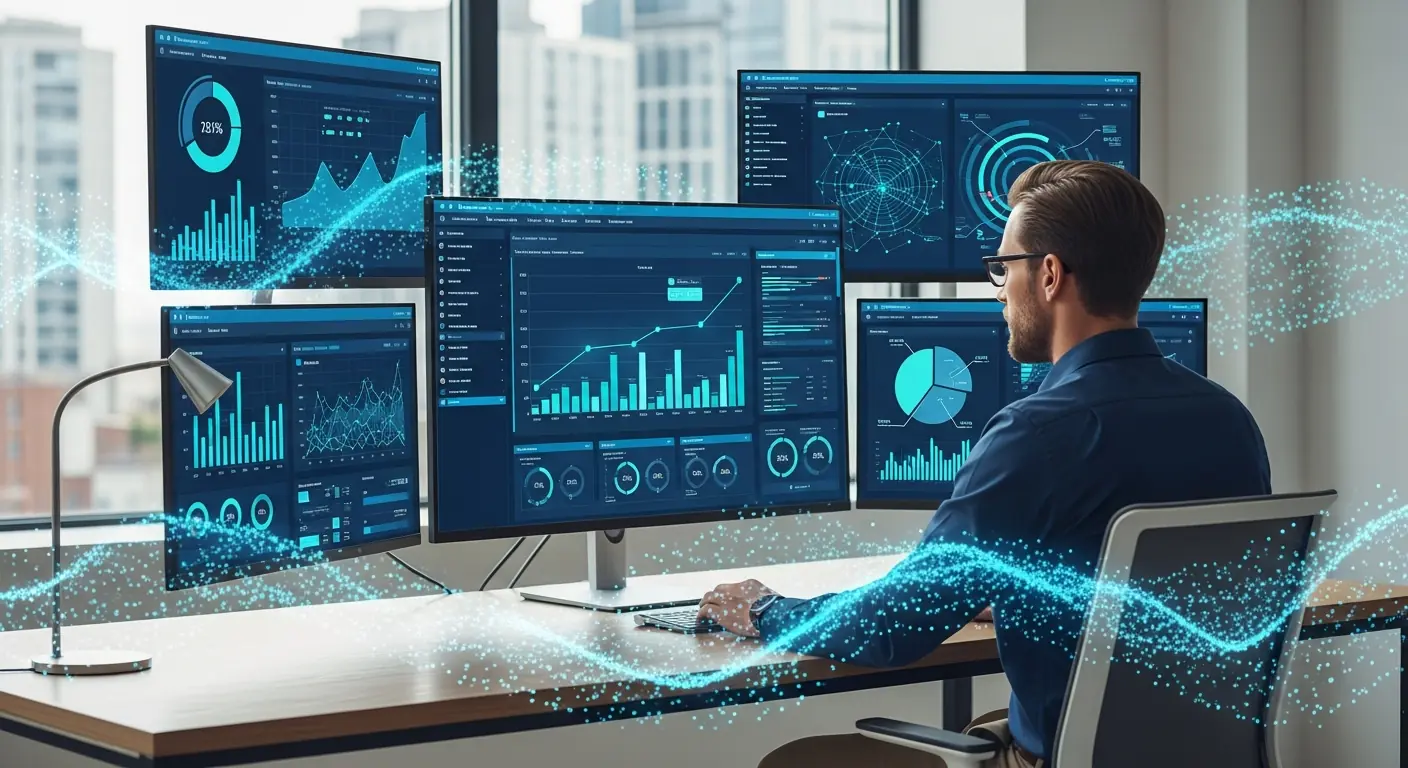
Data Literacy is the new English. According to a Forrester study commissioned by Tableau (2022), decision-makers expected nearly 70% of employees to use data heavily in their jobs by 2025, up from 40% in 2018. For students this means: Whether you study art history, marketing, or sociology, the ability to read, interpret, and communicate data is no longer a "nerd thing" but a basic survival skill in the digital job market.
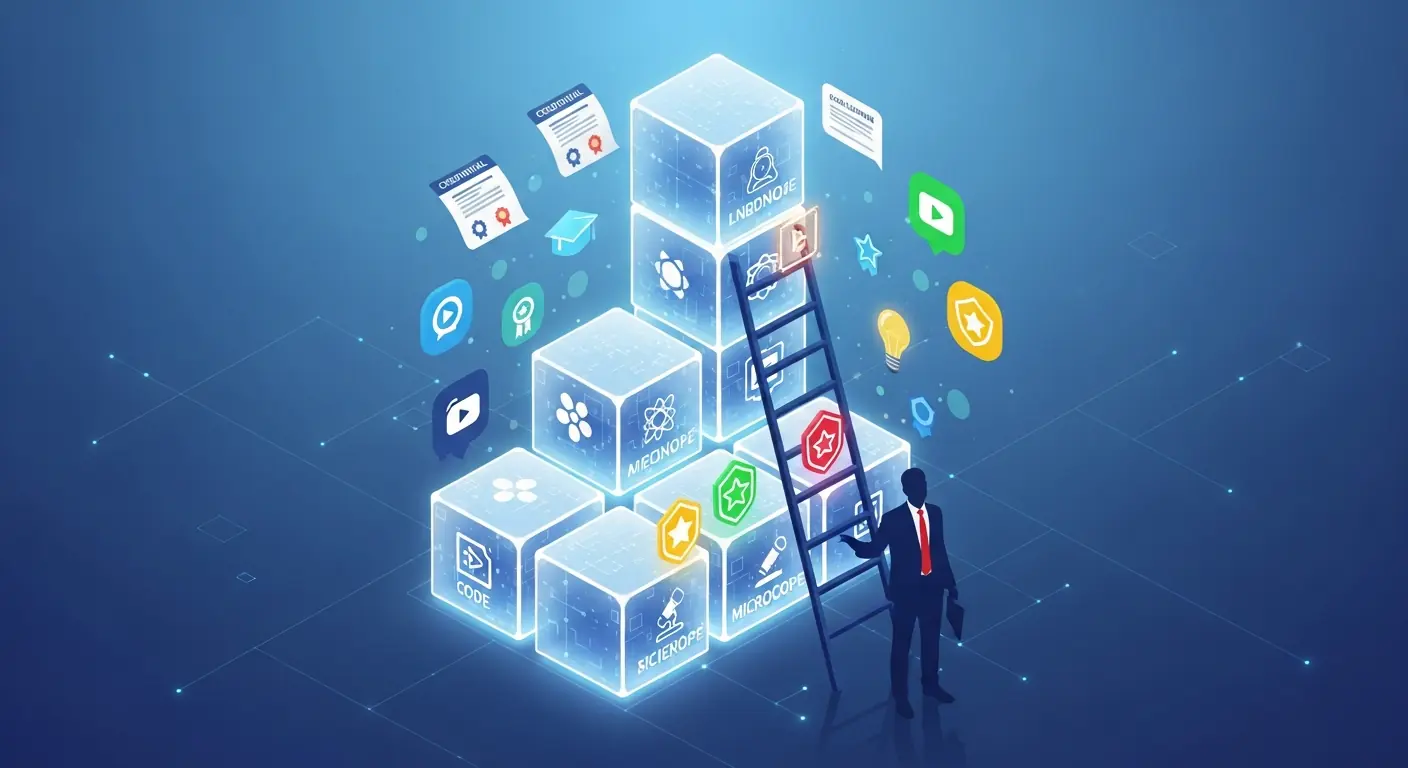
The classic "one-size-fits-all" university degree is losing its monopoly. A massive trend in the e-learning market is the rise of "Micro-Credentials" and "Nanodegrees." In 2021, the education market analysts HolonIQ expected the market for these short, highly specialized certificates to double within three to five years. The reason: Employers are increasingly hiring based on skills, not titles.
At first glance, online degree programs often seem more expensive than state universities. But this is a misconception. When you look at the "Total Cost of Attendance," online studies are often the financially smarter choice. By eliminating commuting costs, expensive relocations, and especially lower opportunity costs, online students often save five-figure sums. In a 2025 BestColleges survey, 90% of online graduates said their degree has had or will have a positive Return on Investment (ROI).
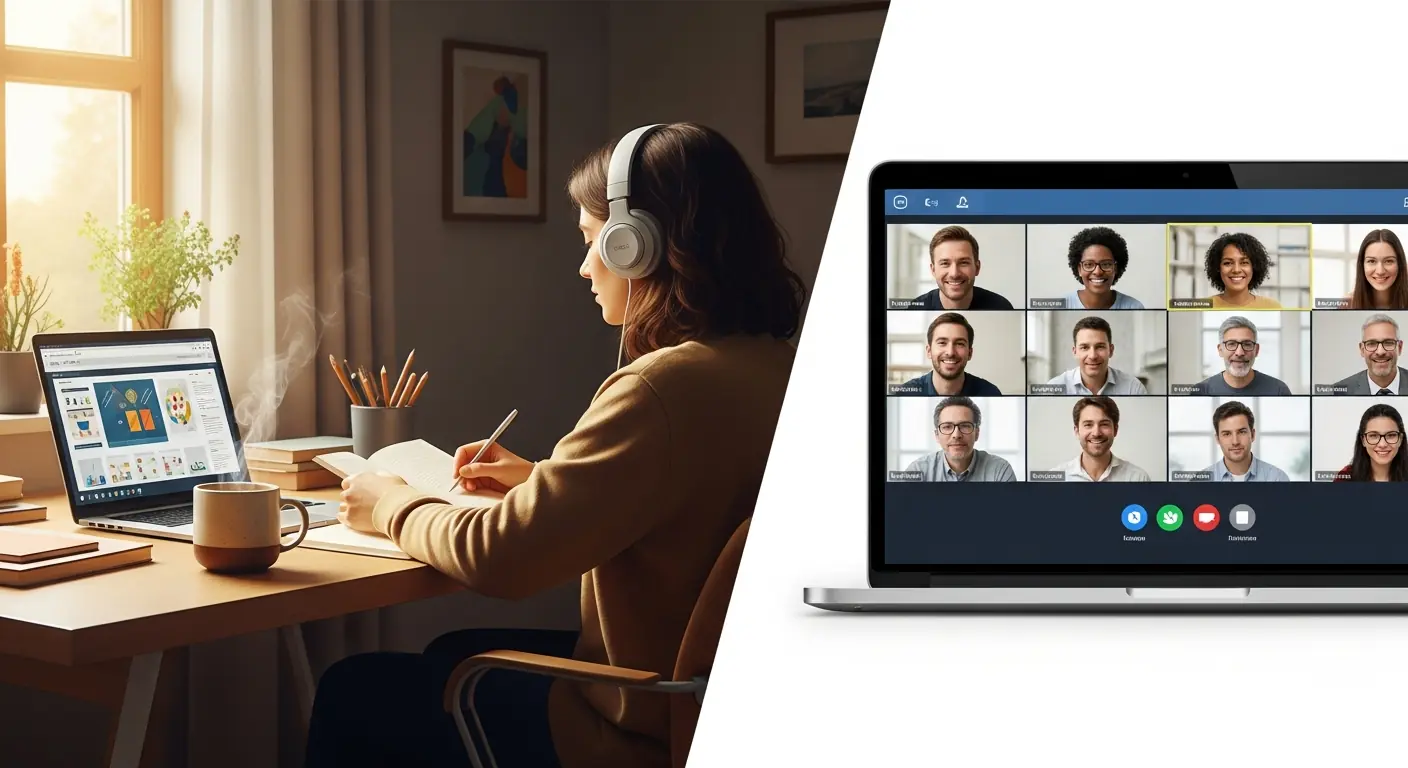
The rigid schedule is dead. The future of learning is divided into two camps: "Self-Paced" (Asynchronous) for pure knowledge acquisition and "Live" (Synchronous) for exchange. According to Global Market Insights (2026), self-paced e-learning accounted for more than half of the global e-learning market in 2025. Understanding when to use which format means learning not more, but more efficiently.
The old prejudice "You learn programming online, you learn leadership in seminars" is outdated. Market data shows growing demand for soft skills courses (communication, leadership, emotional intelligence). Since companies often value "power skills" as highly as or higher than technical knowledge, digital training of social competencies becomes a decisive career lever.
The university degree is no longer the goal, but only the entry ticket. The corporate training market is growing rapidly as today's knowledge becomes outdated faster than ever. Companies are investing massively in digital learning platforms: market researchers expect double-digit annual growth for the "Corporate E-Learning" sector.
Online courses have a notoriously high dropout rate: often less than 15% of participants complete an open course. But this is exactly where your opportunity lies: A successfully completed online certificate signals not only expertise but above all self-discipline and time management.
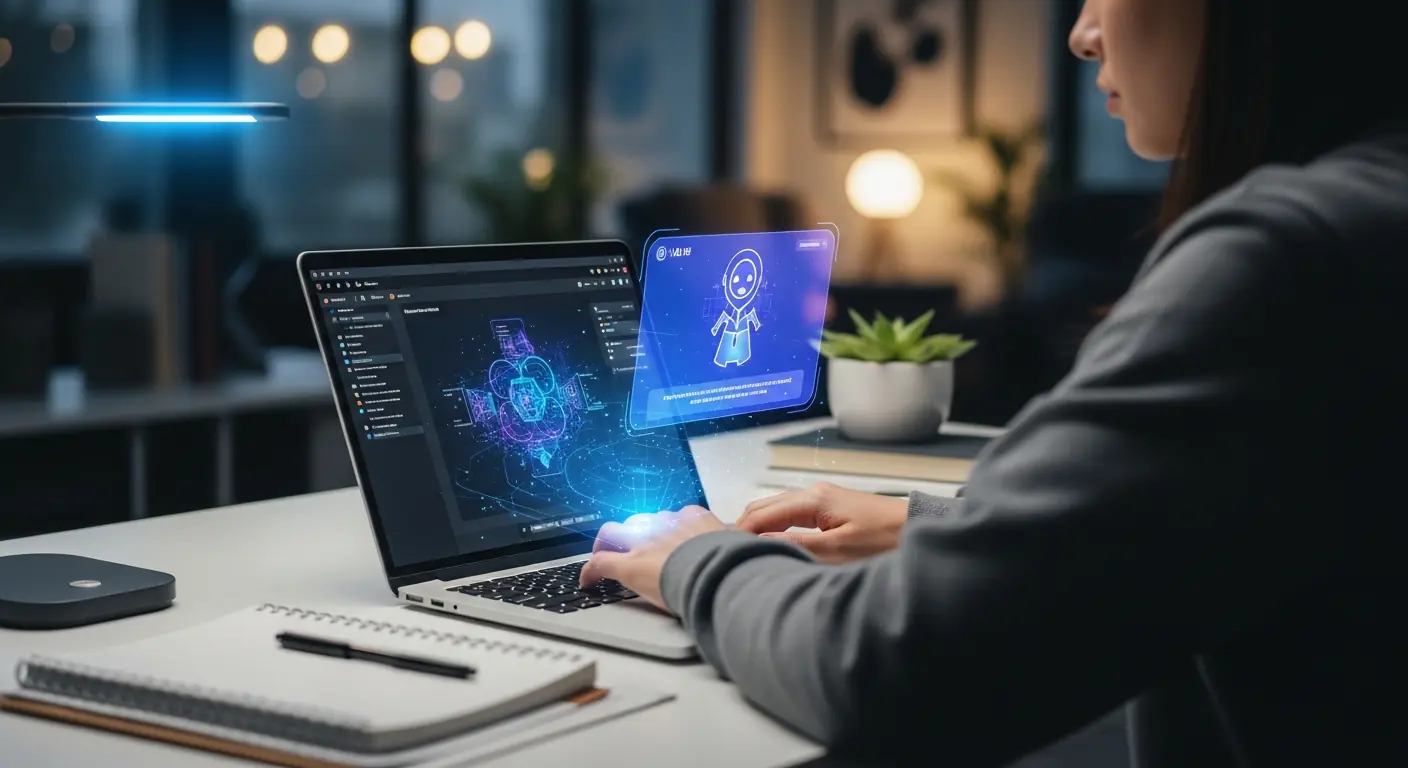
Artificial Intelligence marks the end of "one-size-fits-all" education. Market researchers expect the AI education market to grow by 17.5 to 25.9% per year, driven by clear benefits: adaptive learning systems identify knowledge gaps individually and close them immediately.
Online studying is an effective and often overlooked lever for personal climate protection. Studies by the Open University show that distance learning courses use about 87% less energy and cause 85% less CO2 emissions than full-time campus courses.
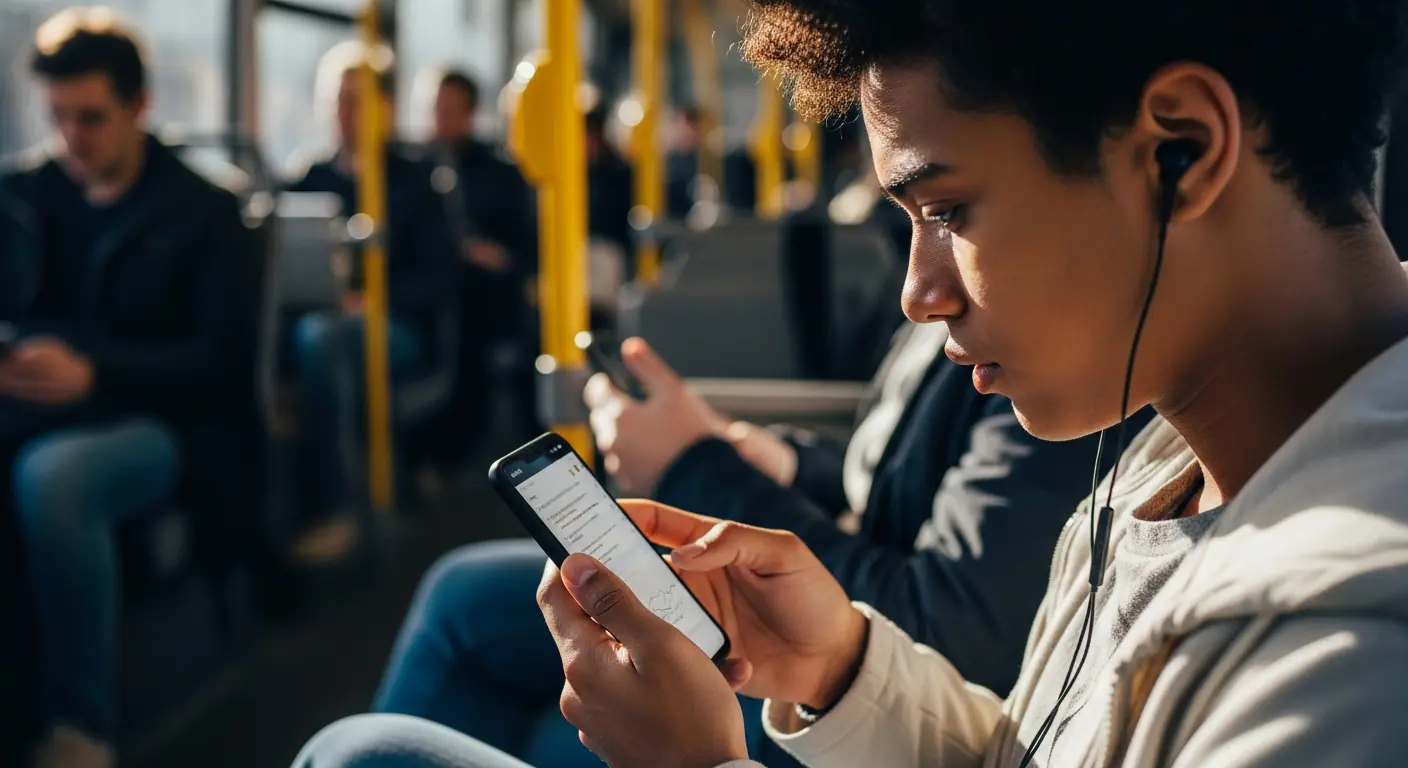
It's a paradox: The device that distracts us the most (TikTok, Instagram, WhatsApp) is simultaneously a powerful educational tool. The smartphone is evolving from a pure communication device into a full-fledged learning tool.
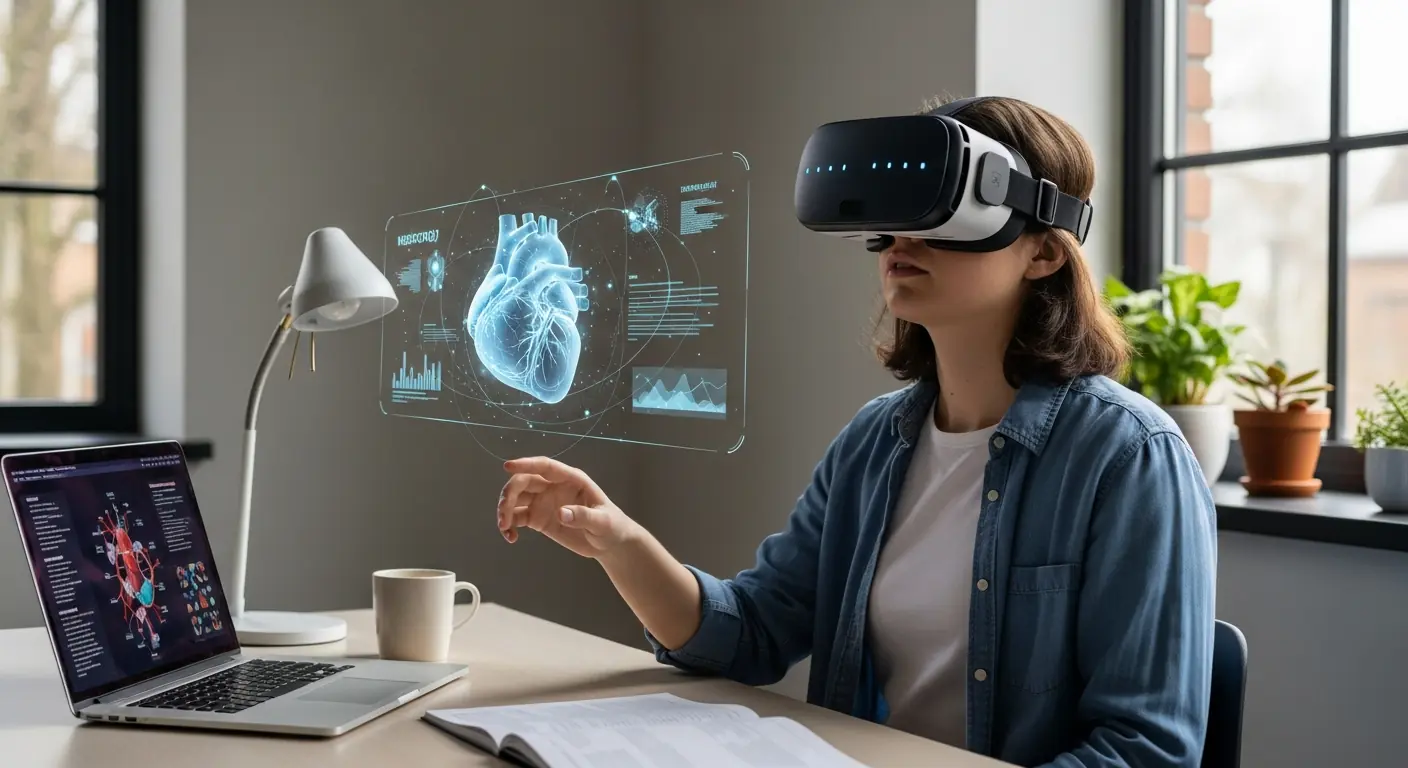
For a long time, playing was considered the opposite of learning. "Stop gaming and do your homework!" was the standard phrase of many parents. But in 2025, this paradigm is turning 180 degrees.
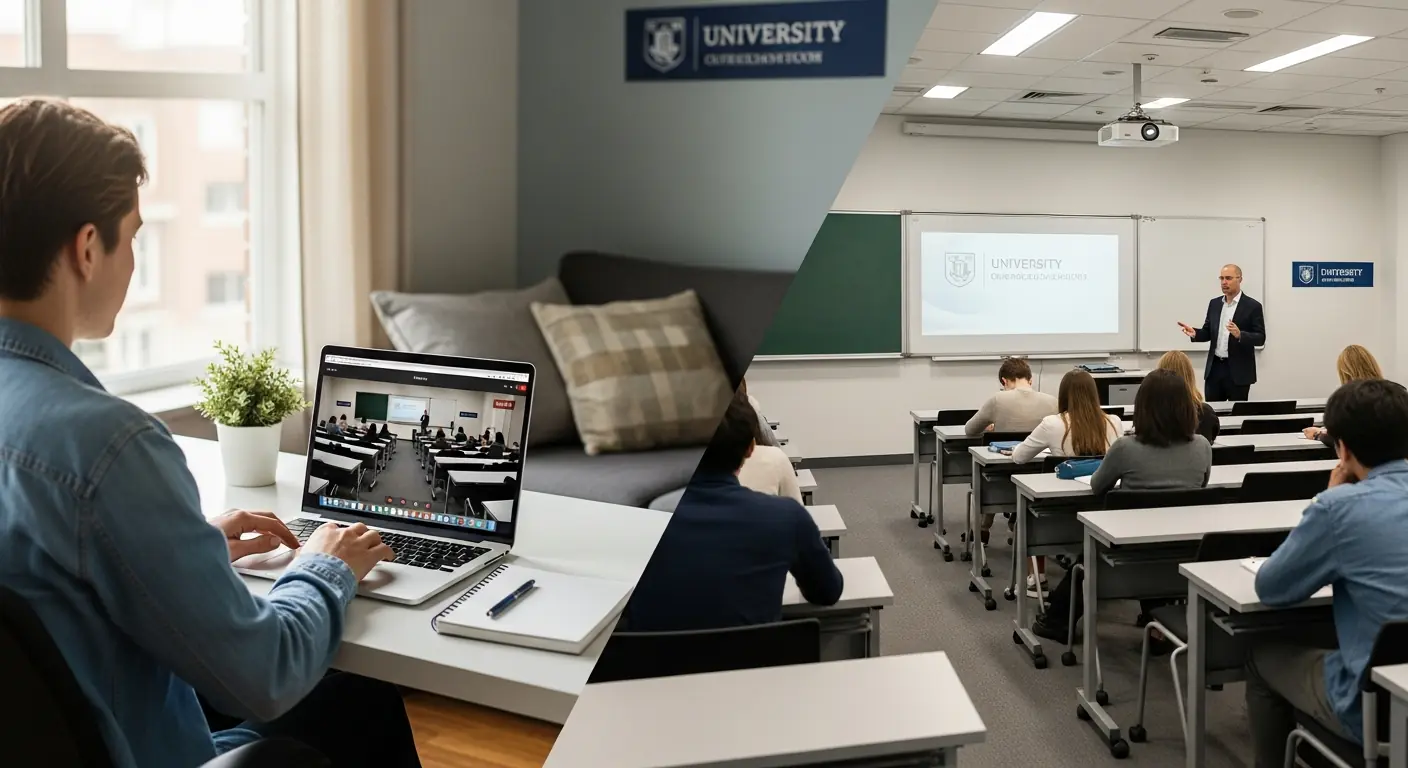
For a long time, there were only two camps: The "real" students who sat in the lecture hall, and the "distance learners" who pored over study letters alone. This strict separation is history.
Digital studying offers freedom but comes at a price. In the Chegg Global Student Survey 2025, 43% of undergraduates worldwide reported academic burnout and 55% said they did not get enough sleep. According to Stanford researchers (2021), "Zoom Fatigue" is not imagination but the result of nonverbal overload in video calls.